Nigeria's Opposition Plans Policy Unveiling With Joint Presidential Candidate Undecided
At a glance
- Opposition parties agreed on a single common candidate as one of several strategies, not a settled decision, according to PRP chairman Hakeem Baba-Ahmed.
- The Nigeria Democratic Congress says it will accept only Peter Obi as its presidential candidate and will not withdraw him for a consensus choice.
- NDC spokesman Ossai Director suggested opposition parties could cooperate to protect their votes during the 2027 elections even without a shared candidate.
- A PDP faction led by Kabiru Tanimu Turaki said the coalition's media committee would publicly explain its progress within one or two weeks.
- Coalition convener Salihu Lukman said the trust deficit among parties and candidates is the biggest obstacle to agreeing on a joint candidate.
Policy gathering comes as negotiations continue
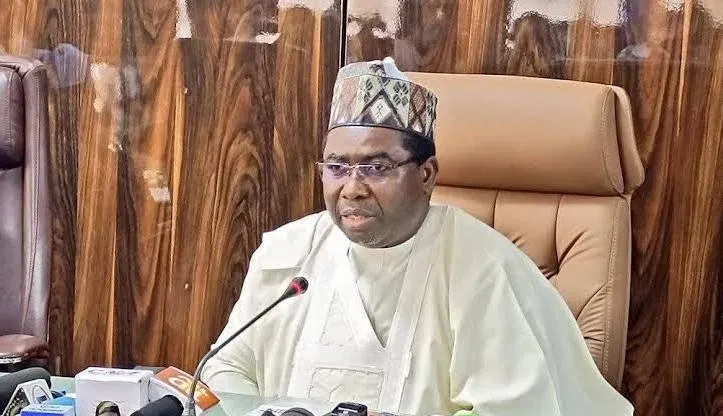
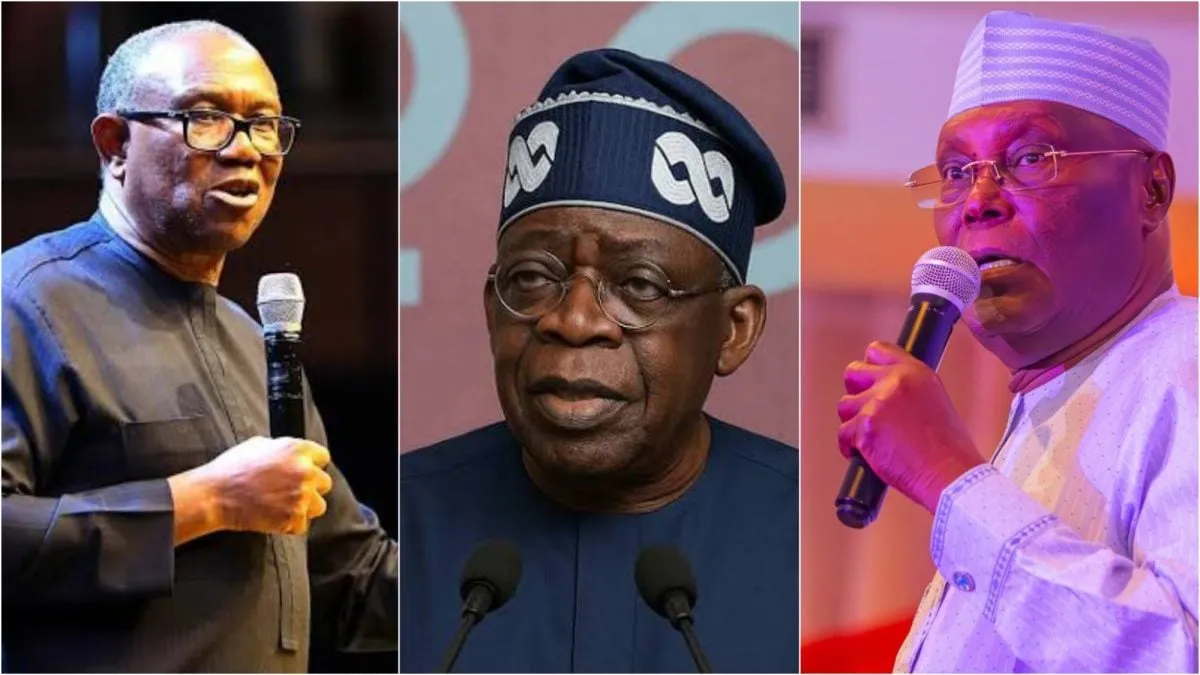
Hakeem Baba-Ahmed, national chairman of the Peoples Redemption Party (PRP), said the gathering would set out the opposition's core values and approach to the 2027 campaign. The coalition is also expected to update Nigerians on efforts to select a single candidate to face Tinubu and the ruling All Progressives Congress (APC). The election date was reported by The Sun Nigeria and BusinessDay.
Baba-Ahmed described a common candidate as one of several strategies under consideration, not a settled decision. He said the past two to three months of discussions had brought considerable progress and a growing recognition that opposition parties needed to cooperate to defeat the APC.
Several leading contenders nevertheless continue to pursue their own presidential ambitions, with no clear indication that any is ready to stand aside. A source close to coalition convener Salihu Lukman rejected suggestions that negotiations had collapsed, saying discussions remained active and another major summit was being planned to consider the next steps.
Baba-Ahmed said political and legal deadlines had already constrained some options, including party mergers and arrangements for a common candidate. Even if the parties chose one contender, he argued, they would still need to work together rather than expect a single party to defeat Tinubu on its own.
He accused the administration of harming Nigerians' lives and the economy since taking office in 2023, and said the opposition sought to remove the APC from government at all levels in 2027. Despite the unresolved candidate question, he expressed confidence in the coalition's progress and its prospects of defeating Tinubu.
NDC holds to Obi as PDP faction reports progress
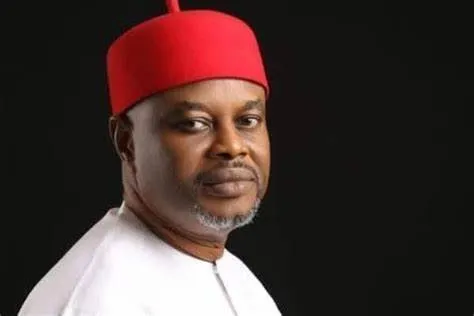
The Nigeria Democratic Congress (NDC) remains involved in the negotiations but says it will not withdraw its presidential candidate, former Anambra State Governor Peter Obi, to support a consensus choice from another party.
Speaking to Daily Trust on Monday, NDC spokesman Ossai Director argued that the party was strong enough to challenge the APC independently. He said it would accept only Obi as its presidential flagbearer, while awaiting further developments in the coalition talks.
Director also identified a possible form of cooperation short of a shared candidate: opposition parties could work together to protect their votes during the 2027 elections.
The Peoples Democratic Party (PDP) faction led by Kabiru Tanimu Turaki offered a more optimistic assessment of the candidate negotiations. Ini Ememobong, national publicity secretary of the faction's Interim National Working Committee, said the effort remained on course and that the coalition's media committee would explain its progress to the public within one or two weeks.
According to Ememobong, Atiku Abubakar, Obi, Seyi Makinde and Donald Duke had all committed to the initiative, and none had withdrawn that commitment. He said the coalition was also pursuing closer cooperation among opposition groups beyond the selection of a presidential candidate.
Six parties and a proposed transition framework
The G100 facilitates cooperation among the opposition parties and their presidential contenders. Its six participating parties are the African Democratic Congress (ADC), NDC, Allied Peoples Movement (APM), Social Democratic Party (SDP), PRP and PDP, according to The Sun Nigeria.
THISDAYLIVE reported that the G100 was established after an all-opposition summit in Ibadan in April 2026 resolved to field a consensus candidate against the APC. That resolution has not yet produced agreement on who should lead the opposition ticket.
The consultations have included former Vice President Atiku Abubakar, Obi, Oyo State Governor Seyi Makinde and other prominent political figures. Blueprint Newspapers reported that an October 14 G100 statement identified the participating presidential candidates as Abubakar of the ADC, Makinde of the APM, Obi of the NDC, Adewole Adebayo of the SDP and Duke of the PRP. The statement did not name a PDP presidential candidate among those consulted.
Policy work has proceeded alongside the candidate discussions. At an August 31, 2026, summit in Abuja, the G100 and the House of Representatives Minority Caucus proposed both a common presidential candidate and a four-year transition program, The Guardian Nigeria reported.
Five working groups were given four weeks to prepare documents: the National Covenant for Democratic Renewal, a Single-Term Transition Charter, a National Reform Programme, a Framework for Opposition Unity and a Roadmap to a Common Presidential Candidate. The proposal envisioned a "Government of National Competence" subject to an enforceable commitment to serve only one four-year term.
Trust remains an obstacle
Lukman has left open the possibility of a late agreement. He told THISDAYLIVE that the opposition could announce its common candidate two months, a few weeks or even a few days before the election. He described the biggest obstacle as "the trust deficit among even the parties and the candidates."
The current talks follow the collapse of an earlier ADC-led coalition. According to BusinessDay, that arrangement broke down before its planned primary after Obi and Rabiu Kwankwaso withdrew and formed an alliance under the newly established NDC.
BusinessDay also reported that opposition parties together received about 13 million votes in the 2023 presidential election, compared with fewer than nine million for Tinubu, the eventual winner. Those opposition votes were divided among several candidates.