Nigeria Targets December 3 Inauguration for Kaduna–Kano Railway

At a glance
- Council spokesperson Dele Alake said the December 3 event would include the 190-kilometer Jaji–Kano section of the Kaduna–Kano line.
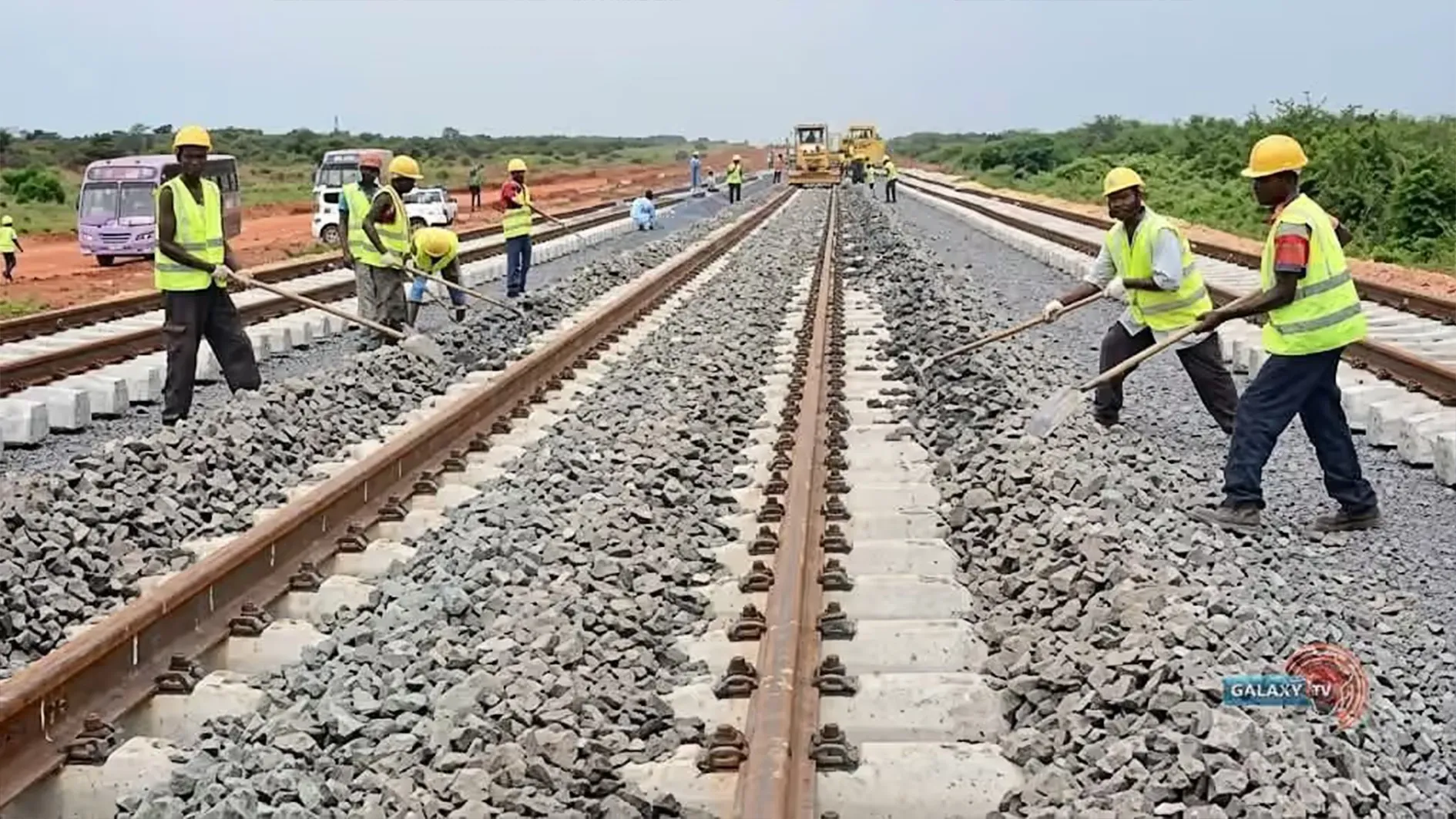
- The council placed Kaduna–Zaria–Kano construction at about 90% complete and Kano–Katsina–Maradi at about 70%.
- A federal team led by Funso Adebiyi inspected track alignment, drainage, embankments and soil stabilization, and said it was satisfied with the work.
- The Kaduna–Kano line is being built by China Civil Engineering Construction Corporation, with an estimated cost of about $1.2 billion.
- Mota-Engil Nigeria is building the Kano–Katsina–Maradi railway, with the federal government covering 15% of its funding and the financing facility 85%.
Sections scheduled to open
Council spokesperson Dele Alake outlined the plans in a statement issued Sunday. He said the December 3 inauguration would include the 190-kilometer Jaji–Kano section and the 250-kilometer Dawanu–Kano–Kazaure–Daura–Katsina section of the Kano–Maradi railway.
The council put construction progress at approximately 90% for the 203-kilometer Kaduna–Zaria–Kano railway and 70% for the 400-kilometer Kano–Katsina–Maradi project. It said the projects were less than 30% and 5% complete, respectively, when President Bola Tinubu took office in 2023. In describing the Jaji–Kano inauguration plans, Alake separately referred to the Kaduna–Kano project's total length as 205 kilometers.
The Kaduna–Kano extension is intended to connect the existing Abuja–Kaduna standard-gauge line with Zaria and Kano, creating a continuous rail route between those northern commercial centers. Once operating, it is expected to make passenger travel easier, support commerce and offer an alternative to roads along one of Northern Nigeria's busiest commercial corridors.
Track inspection and unresolved land issues
At Tinubu's direction, a federal team recently visited both construction projects. Funso Adebiyi, permanent secretary of the Federal Ministry of Transportation, led the inspection and said he was satisfied with the work. His assessment covered track alignment, drainage, embankment protection, stone pitching and soil stabilization.
Inspectors traveled by train from Jaji in Kaduna State to Kano to evaluate the finished track infrastructure and passenger comfort. Alake also said Tinubu had ordered officials to resolve outstanding land acquisition and compensation issues in Kaduna metropolis immediately, to enable completion of the Abuja–Kano corridor.
The council reiterated the administration's commitment to completing infrastructure projects nationwide under Tinubu's development agenda.
Kaduna–Kano financing and the existing Abuja link
The Kaduna–Kano line is being built by the state-owned China Civil Engineering Construction Corporation (CCECC). Global Construction Review, citing the South China Morning Post, reported an estimated project cost of about $1.2 billion, with China supplying 85% of the financing and Nigeria funding the balance.
Chinese lending for Nigerian rail development resumed with an initial $253.7 million loan for Kaduna–Kano, approved by the China Development Bank and announced on January 7, 2025, according to Global Construction Review. China Eximbank had withdrawn from the project in 2020, citing the COVID-19 pandemic and concerns over Nigeria's ability to repay.
The existing Abuja–Kaduna segment opened on July 26, 2016. According to Wikipedia's summary of the Lagos–Kano Standard Gauge Railway, that segment cost $876 million: $500 million came from Exim Bank of China loans, with the Nigerian government covering the rest.
Kano–Maradi construction and later phases
Mota-Engil Nigeria, not CCECC, is building the Kano–Katsina–Maradi railway, according to the Federal Ministry of Transportation. Its funding combines loan facilities with government counterpart funding: the federal government is responsible for 15%, while the financing facility covers 85%. The railway is expected to support cross-border travel and trade between Nigeria and Niger.
The ministry's figures for individual sections cover a narrower scope than the council's 70% estimate for the overall project. Following a joint inspection on August 25–27, 2026, the ministry reported that physical construction on the Kano–Katsina section was more than 75% complete. It identified the 284-kilometer Kano–Daura–Katsina sections for commissioning by December 2026, with completion of the Katsina–Maradi extension into Niger expected by the end of 2027.
Project desk officer Abdullahi Adamu Yakubu gave further route details to PRNigeria: the main line runs 296 kilometers from Kano through Jigawa and Katsina to Maradi, while a separate 104-kilometer branch connects Kano with Dutse. He described the planned Kano station as an international hub designed to accommodate up to 1,000 passengers at a time.
Yakubu said the Kano–Dutse branch was 63% complete and targeted for completion in December 2027.