Nnaji Promises Tax Relief in Enugu's 2027 Governor's Race
At a glance
- Nnaji says the N36,000 annual business charge is excessive, while Governor Mbah says it covers premises, rates and services, about N100 a day.
- Mbah says taxation falls under the Constitution's Exclusive Legislative List, so states cannot legislate to raise or lower taxes.
- ESIRS figures show taxes provided N51.5 billion, or 12.6%, of the N406.77 billion collected in 2025, with non-tax revenue supplying 87.4%.
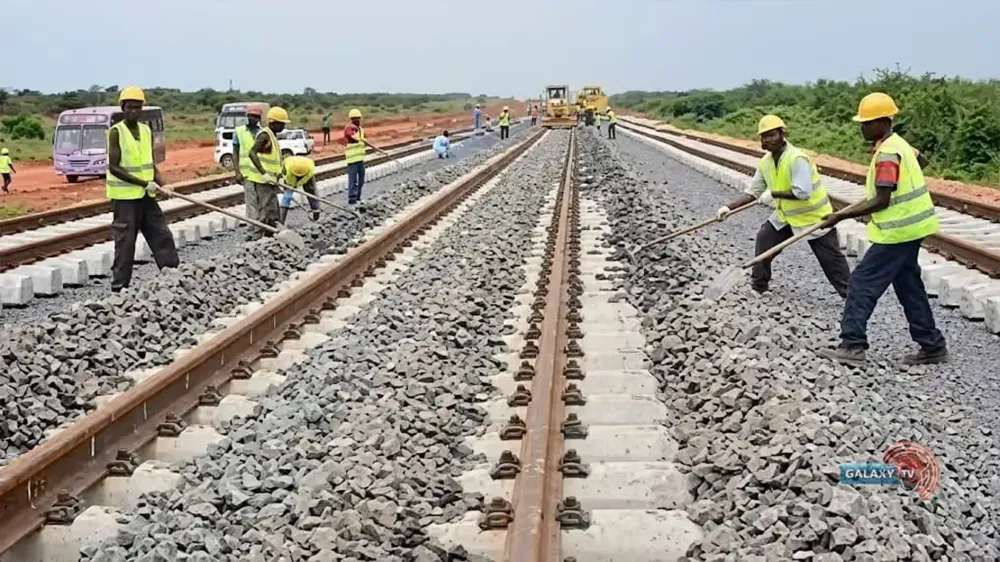
- Nnaji promised industries based on coal, iron ore and cement, saying they would create jobs for more than 50,000 young people.
- Nnaji previously ran for governor as the All Progressives Congress candidate in 2023 before joining the PDP, which he later won the primary for.
Dispute over business charges
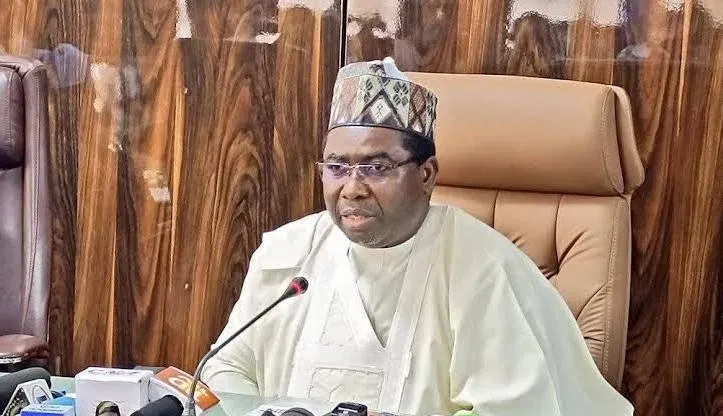
At the gathering of the Enugu State Consultative Forum's Abia State chapter, Nnaji described Enugu as one of Nigeria's most expensive places to do business. He said the government should help residents build wealth and improve their living conditions rather than impose taxes that undermine businesses.
He alleged that rural traders wait until evening to open their shops so they can avoid tax officials. According to Nnaji, the government collects N36,000 from village traders even though most do not earn that much annually. He argued that taxes should be assessed on profits rather than shops.
"There will be no more excessive taxation in Enugu when I win," he said.
Governor Peter Mbah has separately rejected claims of overtaxation. He said taxation falls under the Constitution's Exclusive Legislative List and argued that states cannot legislate to raise or lower taxes. His administration, he said, had brought more taxpayers into the system without increasing rates.
Mbah described the N36,000 annual business charge as covering business premises, other rates and services, or about N100 a day. He also said he had ordered officials to stop collecting market levies of N100 or N200 from market women.
Taxes and the state's revenue growth
Nnaji questioned an increase in Enugu's internally generated revenue, or IGR, from N26 billion to N406.7 billion. Comparing the total with revenue in Abia and Anambra states, he argued that the figures raised concerns about the burden on businesses.
The Enugu State Internal Revenue Service (ESIRS) gives a breakdown that distinguishes taxes from other income. According to its figures, taxes contributed N51.5 billion, or 12.6%, of the N406.77 billion collected in 2025. Non-tax revenue supplied N355.2 billion, or 87.4%.
ESIRS Chairman Emmanuel Nnamani attributed the growth to technology, electronic payments, a broader tax base "without increasing the rate" and the recovery of moribund state assets. He said tax receipts increased 72% year over year, from N30 billion in 2024 to N51.5 billion in 2025.
StatiSense data citing the National Bureau of Statistics put Enugu's 2025 tax revenue at N51.52 billion, or 12.67% of N406.7 billion in IGR. That was the lowest tax share among the states and the Federal Capital Territory (FCT). Abia led with all N70.41 billion of its IGR coming from taxes, followed by the FCT, also at 100%, on revenue of N356.34 billion. The next highest shares were Bayelsa at 99.39%, Rivers at 96.72% and Sokoto at 92.44%.
Nnamani said Enugu's projected IGR target for 2026 is N870 billion, while tax revenue is expected to decline under what he called a "pro-citizen tax reform." The N406.77 billion collected in 2025 amounted to 80% of the N509.947 billion projected in that year's Appropriation Law.
Jobs, security and outreach
Nnaji tied his economic proposals to concerns about unemployment, poverty and insecurity. He promised industries based on coal, iron ore and cement, saying they would create jobs and take more than 50,000 young people off the streets.
He also alleged that armed robbery was returning to parts of Enugu because of unemployment, hunger and economic hardship. He described nighttime home invasions in which attackers took phones, computers and food, including rice, beans and garri.
On public spending, Nnaji cited poor roads in Isi-Uzo Local Government Area and questioned how the administration had used IGR and monthly federal allocations. He also alleged a substantial increase in state debt but supplied no figures to substantiate that claim.
Nnaji said he chairs the Enugu State Recovery Committee and has been meeting people from Enugu who live elsewhere to discuss the state's problems and seek election support. He said the outreach had included a visit to Alaba International Market the previous week.
At the Aba meeting, campaign director-general Chuks Ndukwe and Chief Uche Ugwu emphasized industrialization, job creation and economic recovery. They said taxation policies were putting pressure on traders and businesses, and expressed confidence in grassroots support for the PDP in a state they described as a traditional party stronghold.
PDP Senate candidates Nweke Kingsley Chizoba of Enugu East and Nestor Ezeme of Enugu North encouraged Nnaji to pursue his bid, citing support among residents. Forum President Sunday Okonkwo said Nnaji's manifesto addressed industrialization, security and youth empowerment, and that the forum wanted governance proposals responsive to the problems facing businesses and residents.
Nnaji's political and ministerial record
Nnaji previously ran for Enugu governor as the All Progressives Congress candidate in 2023 before joining the PDP. Premium Times reported that his current candidacy belongs to the PDP faction loyal to Federal Capital Territory Minister Nyesom Wike.
He won the PDP governorship primary on May 25, 2026, with 7,424 votes against Samson Nnamani's 600. Austin Nwachukwu, who chaired the primary committee, said Nnaji prevailed in all 17 local government areas.
Nnaji resigned as minister of innovation, science and technology in October 2025, three days after Premium Times published an investigation into his academic credentials. He remains under investigation by the ICPC over alleged certificate forgery. Premium Times reported that a panel established by Education Minister Tunji Alausa found that he had forged his University of Nigeria, Nsukka degree and NYSC certificates. The allegations have not been finally determined in court.
In August 2026, Nnaji signed a written commitment to serve only one four-year term if elected and pledged not to seek reelection. At the reception in Akpugo, Nkanu West Local Government Area, he said the undertaking respected Enugu's existing zoning arrangement, noting that Nkanu had already had four years.