Nigerian Civic Group Urges Voters to Reject Tinubu in 2027
At a glance
- The MFC says rising food costs, unemployment and weaker purchasing power make basic necessities harder for families to afford.
- Citing the World Bank, the group puts the number of Nigerians in extreme poverty at 94.7 million, the largest total of any country.
- Citing UNESCO figures, the MFC says out-of-school children rose from about 10 million to 18.2 million, leaving them vulnerable to poverty and crime.
- Debt Management Office figures put total public debt at N166.79 trillion on June 30, 2026, about 90.9 percent higher than in June 2023.
- Tinubu reportedly acknowledged that debt payments took about 65 percent of government revenue in the first half of 2026.
A call to judge the government's record
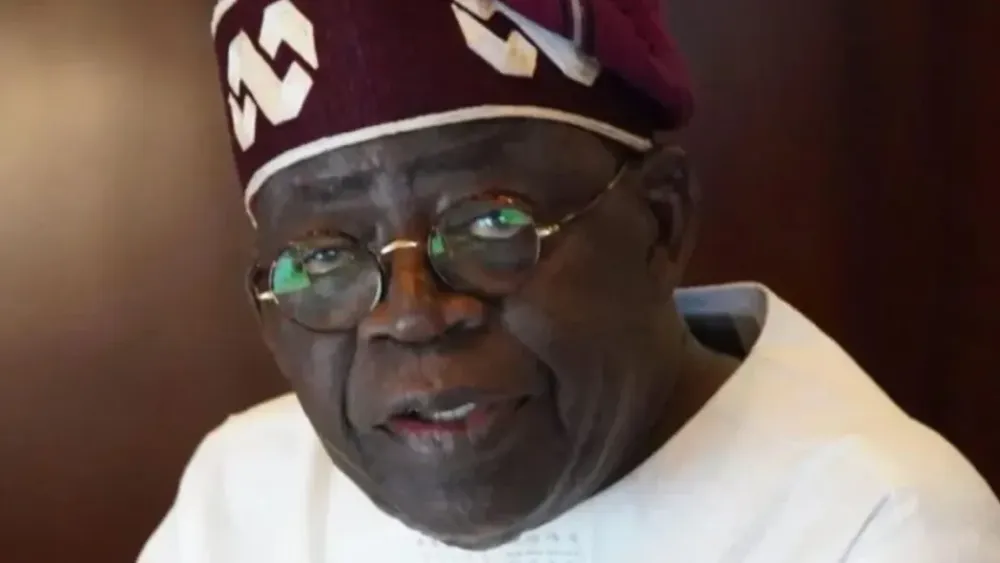
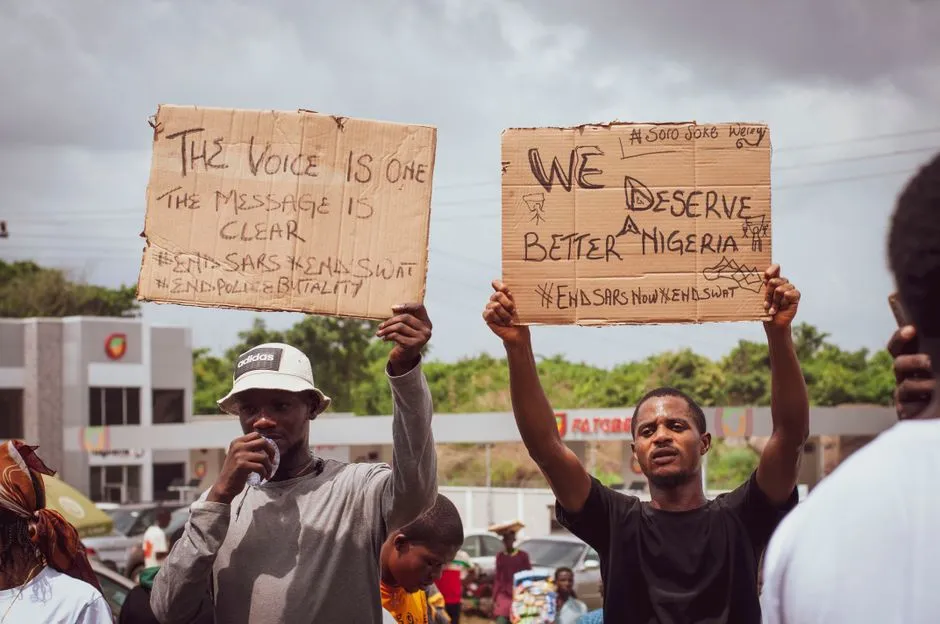
In a statement released Monday, November 9, 2026, titled "The People's Verdict: Tinubu Must Go," the pressure group urged Nigerians to base their votes on the administration's performance rather than campaign slogans. It said the prosperity, jobs, food security and improved living standards promised under Tinubu's Renewed Hope campaign had not materialized.
The MFC asked voters to consider conditions in their households, businesses and communities, as well as their children's prospects. It urged them to put ethnic, religious and political divisions aside, arguing that hunger, poverty and insecurity affect people across those boundaries.
"The 2027 election must not be another contest of empty slogans and recycled promises," the statement said.
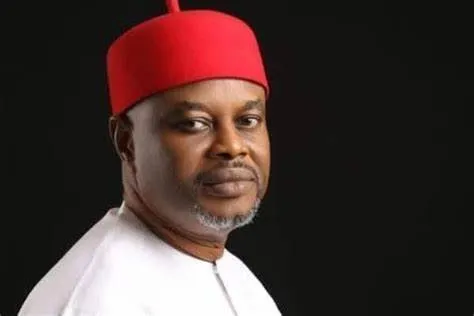
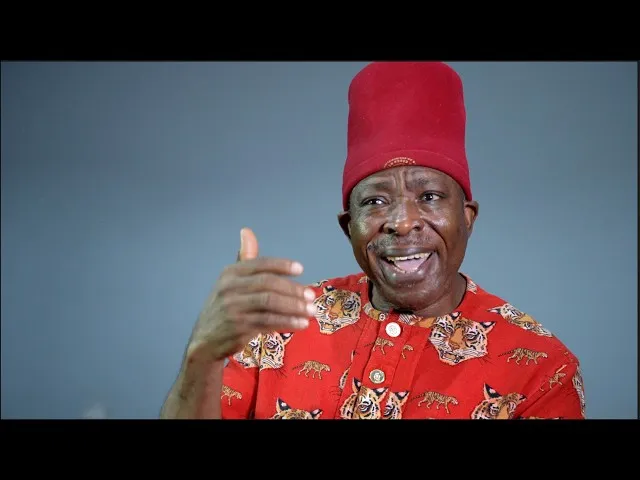
Chief Martin Onovo, the MFC's Head of Policy Positions, was the National Conscience Party's presidential candidate in 2015. He has publicly called for opposition parties to form a coalition to defeat the ruling APC in 2027.
Poverty, education and security complaints
The group said rising food costs, unemployment and weakened purchasing power were making basic necessities harder for families to afford. Citing the World Bank's Poverty and Inequality Platform, it put the number of Nigerians in extreme poverty at 94.7 million and said that was the largest total of any country.
It also attributed to UNESCO figures showing an increase in out-of-school children from about 10 million to 18.2 million. The MFC warned that exclusion from formal education leaves children vulnerable to poverty, exploitation and involvement in crime.
The statement accused the government of failing to protect lives and property. It cited kidnappings, attacks on communities and travelers, and displacement, saying farmers feared working their land while displaced people faced harsh conditions in camps.
The MFC also questioned the state of democratic institutions, citing declining confidence in the legislature and concerns about the judiciary's independence, integrity and credibility. It called for stronger institutions to safeguard rights and enforce accountability.
Borrowing, oil accounts and government spending
The MFC described public debt as a burden on both current and future generations. It questioned what Nigerians had gained from borrowing, saying they had not seen corresponding improvements in healthcare, education, infrastructure, jobs or social welfare.
Debt Management Office figures reported by The Sun put total public debt on June 30, 2026, at N166.79 trillion, or about $120.93 billion. Domestic obligations accounted for N91.59 trillion and external debt for N75.20 trillion. Compared with the N87.38 trillion recorded in June 2023, shortly after Tinubu took office, the total had risen by about N79.41 trillion, or roughly 90.9 percent. That increase reflects new borrowing, existing obligations and depreciation of the naira.
Tinubu acknowledged that debt payments took approximately 65 percent of government revenue during the first half of 2026, leaving substantially less for other spending. He nevertheless maintained that borrowing was manageable, at about 35.75 percent of GDP in the second quarter of 2026.
The group also cited accounting discrepancies involving the Nigerian National Petroleum Company Limited (NNPCL) as part of its criticism of resource management. According to BusinessDay, the Senate's Public Accounts Committee flagged more than N210 trillion in discrepancies in the company's audited statements covering 2017 through 2023. These included N103 trillion recorded as accrued expenses for retention, legal and auditor fees without supporting documents. The committee submitted 11 questions to NNPCL and gave it one week to explain the figures.
The MFC said the billions of dollars reportedly spent rehabilitating refineries had not produced results matching the expenditure, leaving Nigerians to bear the consequences of a dysfunctional petroleum sector. It also accused officeholders of maintaining extravagant lifestyles while demanding sacrifices from the public, and criticized what it described as excessive spending and the growing cost of governance.
The 2027 voting schedule
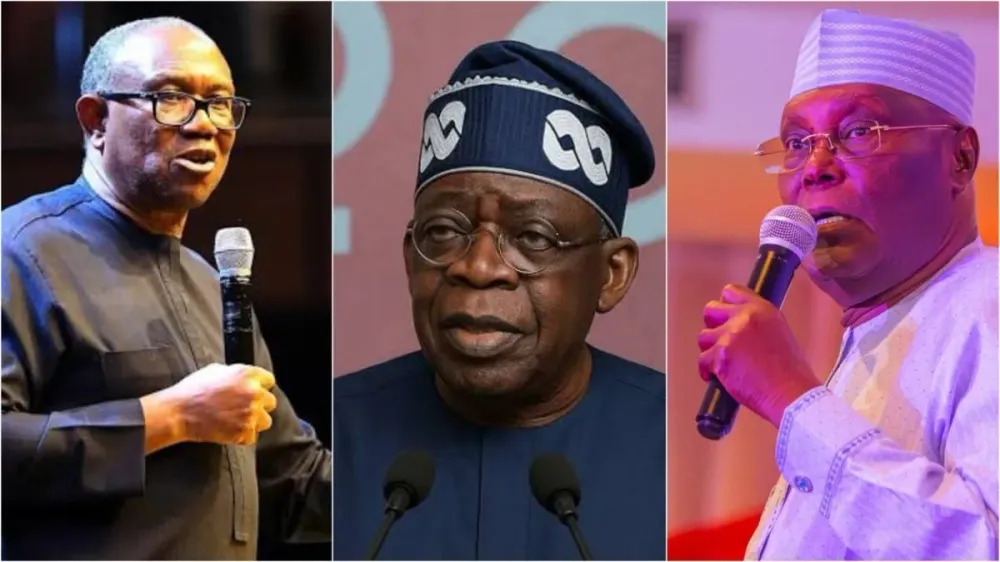
Presidential and National Assembly voting is scheduled for January 16, 2027, with governorship and State Assembly elections to follow on February 6. The Sun reports that the presidential field includes 18 candidates, among them Tinubu, who is seeking a second term, former Vice President Atiku Abubakar and Peter Obi.
INEC figures put registered voters at 103,428,715, up from 93,469,008 ahead of the 2023 elections. The increase amounts to 9,959,707 voters, or about 10.7 percent. The elections will retain the 8,809 wards and 176,846 polling units used in 2023.