Lagos and Ondo governors call for oil and gas investment at NAPE conference
At a glance
- Foreign investors have committed to mobilize $21 billion for the sector, according to Minister Heineken Lokpobiri, through non-binding memorandums of understanding.
- The African Energy Bank was launched in Nigeria on October 31, 2026, and is scheduled to begin operations in Abuja on January 4, 2027.
- Lokpobiri said Nigeria produces more than 1.8 million barrels per day, up from about 1 million when he became minister in August 2023.
- Nigeria's reserves are put at 37 billion barrels of oil and 215 trillion cubic feet of gas, with a potential additional 18 billion barrels in deepwater.
- Ondo Governor Lucky Aiyedatiwa said host communities should be treated as partners with a meaningful share in petroleum development benefits.
Investment pledges and financing plans
The conference's theme, "Unlocking More Barrels: Driving Reserves Growth Through Exploration, Local Capabilities and Adaptive Technology," framed discussions about exploration, investment and Nigeria's technical capabilities.
At the same event, Minister of State for Petroleum Resources (Oil) Heineken Lokpobiri reported foreign investor commitments to mobilize $21 billion for the sector, according to Arise News. He said one group was willing to mobilize $15 billion and another $6 billion. The arrangements were non-binding memorandums of understanding reached following his engagements at the ADIPEC conference in Abu Dhabi, rather than completed investments. The government was connecting the groups with Nigerian companies to negotiate commercial terms.
Lokpobiri also outlined the African Energy Bank's timetable. He said the presidents of Afreximbank and the African Petroleum Producers' Organisation formally launched the bank in Nigeria on October 31, 2026. Its annual general meeting had taken place, and a president and board had been appointed. The bank was scheduled to formally begin operations in Abuja on January 4, 2027.
Shell Nigeria Executive Vice President and Country Chair Elohor Aiboni credited fiscal and regulatory incentives with making Nigeria's deepwater sector more competitive. In her goodwill message, reported by Nigerian Tribune, she said the incentives had bolstered investor confidence and Nigeria's standing as a destination for long-term energy investment.
Lagos links energy investment to industrial growth
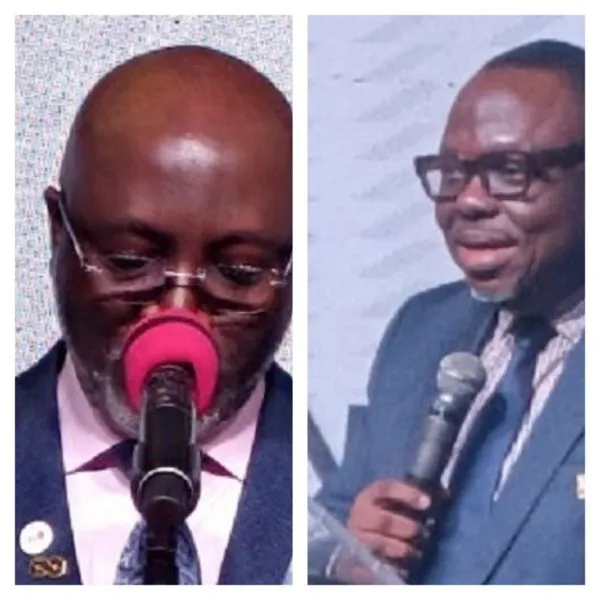
Lagos State Governor Babajide Sanwo-Olu, represented by Commissioner for Energy and Mineral Resources Abiodun Ogunleye, said his administration would continue pursuing investment in energy infrastructure and industry. He argued that the test of successful exploration extends beyond discoveries and production volumes to the businesses, employment and economic activity they support.
Sanwo-Olu identified the Lagos State Electricity Law 2024 as a means of developing a more comprehensive electricity market with greater private-sector participation. He said the state's strategic partnership with the Gas Aggregation Company of Nigeria was intended to make natural gas more accessible for power generation and help improve electricity reliability for homes and businesses.
The Dangote Refinery, Lekki Deep Sea Port and nearby industrial developments illustrated the industrial expansion that infrastructure and private investment could support, he said. He also noted that commercially viable gas discoveries could strengthen domestic energy supplies, while exploration and production technologies could open opportunities for engineering, finance, logistics and technology businesses.
While acknowledging the federal energy reforms under President Bola Ahmed Tinubu, Sanwo-Olu said capital alone was not enough: research, innovation and technical skills were also necessary. He urged operators, universities and research institutions to work together to train Nigerian geoscientists, engineers and technology entrepreneurs.
Ondo invites operators to expand exploration
Ondo State Governor Lucky Orimisan Aiyedatiwa attended the conference in person for a second consecutive year. Addressing Seplat Energy and other oil companies, he invited investment in Ondo's hydrocarbon resources and said his government was prepared to work with credible investors. He assured them of secure conditions for exploration and production.
Aiyedatiwa placed Ondo fifth among Nigeria's oil-producing states. The Ondo State Investment Promotion Agency's corporate plan gives the same ranking and puts daily crude output at about 60,000 barrels. The agency also estimates the state's bitumen deposits at 42 billion barrels, describing them as Africa's largest.
The governor said better geological knowledge, the ability to adapt technology and the commercial optimization of petroleum assets were necessary to develop Nigeria's hydrocarbon potential. He maintained that the value of those resources should be judged not just by output, export proceeds or public revenue, but by improvements in people's lives and opportunities for communities.
On the energy transition, Aiyedatiwa advocated a practical approach that reflects the development needs and economic circumstances of emerging economies such as Nigeria.
Production targets and unexplored resources
Lokpobiri told delegates that Nigeria was producing more than 1.8 million barrels per day, including condensates, compared with about 1 million barrels per day when he became minister in August 2023. He also reported an increase in active rigs from about 10 to more than 60.
The minister put Nigeria's reserves at 37 billion barrels of oil and 215 trillion cubic feet of gas. He said aggressive exploration could more than double reserves, citing a potential additional 18 billion barrels in deepwater that had not yet been certified.
His exploration appeal extended beyond the Niger Delta to the Anambra Basin, Benue Trough, Dahomey Basin and other basins. He pointed to the Petroleum Industry Act's fund for frontier exploration.
In a goodwill message reported by Daily Champion, NUPRC Chief Executive Oritsemeyiwa Eyesan said reaching Nigeria's target of 3 million barrels of oil per day by 2030 would require more exploration and development of new resources. Eyesan, represented by Executive Commissioner for Development and Production Enorense Amadasu, identified the 2026 Licensing Round as an important opening for new investment and exploration.
Community benefits and technical training
Aiyedatiwa said Ondo's interventions in oil-producing communities continued to focus on infrastructure, schools, healthcare, youth empowerment and sustainable livelihoods. He said host communities should be treated as partners, with fair access to opportunities and a meaningful share in the benefits of petroleum development, and acknowledged the Petroleum Industry Act's provisions for their development.
He also called for Nigeria to build technical expertise, scientific innovation and industrial value rather than remain primarily a producer of raw resources. Universities, research institutions, NAPE and other professional associations, and Nigerian service companies should deepen their work with operators, he said. He advocated knowledge transfer, applied research and sustained training for young geoscientists, engineers and other technical professionals.
Both governors said cooperation among governments, operators, researchers and investors could help develop Nigeria's petroleum resources while creating wider economic opportunities and improving living conditions.
Lokpobiri raised a related warning about a potential shortage of skilled workers if Nigeria failed to rebuild its training pathways for geoscientists and petroleum engineers. He supported NAPE's proposed academy and urged industry to back it, as well as universities where, he said, many lecturers lacked practical experience.