Nigeria considers assessment test for foreign-trained graduates before NYSC evaluation
At a glance
- Dr. Folake Olatunji-David raised the idea at the 37th meeting of the National Standing Committee on Evaluation of Foreign Qualifications on November 9, 2026.
- As of that meeting, the proposed assessment test had neither been approved nor introduced, and no exam date or procedures had been released.
- The committee was asked to explore monitoring Nigerians studying at African institutions through institutional visits and diplomatic channels.
- The ministry was reported to have digitized and automated foreign certificate evaluation and authentication of Nigerian qualifications since the start of 2026.
- Five issues were on the committee's agenda, including school compliance with Nigeria's public-examination policy for schools teaching foreign curricula.
Test remains a proposal
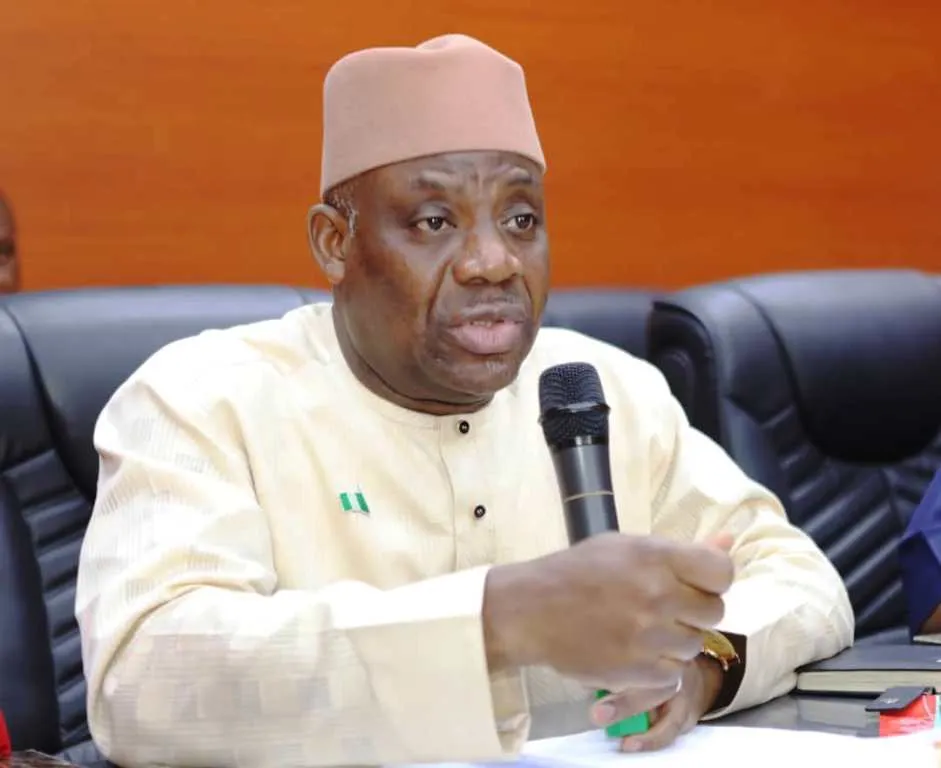
Dr. Folake Olatunji-David, the ministry's acting permanent secretary, raised the idea at the 37th meeting of the National Standing Committee on Evaluation of Foreign Qualifications in Abuja on Monday, November 9, 2026. She asked members to consider whether a test was needed to establish that graduates possess the knowledge and skills represented by their certificates.
Olatunji-David said international education should be encouraged without compromising standards. Qualifications should be earned, she said, and their holders should be able to contribute to Nigeria's development.
As of that meeting, the test had neither been approved nor introduced, according to Nigeria Startup Act. The ministry had released no exam date, registration procedure or implementation guidelines.
The committee was also asked to explore how institutional visits and diplomatic channels could be used to monitor Nigerians studying at African institutions, according to the Federal Ministry of Information and National Orientation. Members were asked to consider recognizing relevant foreign regulators as reliable sources for information about accredited institutions.
Concerns over certificate fraud
Olatunji-David said the committee helps protect Nigeria's education system by limiting recognition to authentic certificates from properly accredited foreign institutions. She warned of increasing cases of forged degrees, both Nigerian and foreign, and said the ministry was addressing the problem.
The proposal follows a previous federal intervention over fraudulent qualifications. Nairametrics reported that in January 2024, the government suspended the evaluation and accreditation of degrees from Benin Republic and Togo after an undercover investigation revealed that a reporter had secured a degree from a Benin Republic university in six weeks.
Olatunji-David credited the committee's earlier decisions with improving how foreign qualifications are assessed and recognized. She also cited progress in checking foreign institutions, authenticating certificates, supplying clearance letters for NYSC mobilization and issuing no-objection letters.
Digital records and ministry services
The ministry has automated and digitized its evaluation of foreign certificates and authentication of Nigerian qualifications since the start of 2026, Olatunji-David said. She described the change as making the process seamless and said fees collected through it go into government accounts, increasing ministry revenue.
Its services also include eligibility and proficiency letters for Nigerians going abroad to work or continue their studies, she said.
A separate effort to make academic records verifiable and combat certificate fraud was reported in March 2026. According to Nairametrics, the Nigeria Education Repository and Databank, or NERD, said it had digitized nearly 100,000 student submissions from more than 250 tertiary institutions over four months.
School examinations and foreign qualifications
Olatunji-David said five major issues were on the committee's agenda. Among them were guidelines governing no-objection letters for organizations seeking to register proposed institutions with the Corporate Affairs Commission, as well as compliance with Nigeria's public-examination policy by secondary schools that teach foreign curricula.
Those schools must prepare students for examinations administered by recognized Nigerian bodies, she said. Where applicable, these include the West African Examinations Council (WAEC), National Examinations Council (NECO), National Business and Technical Examinations Board (NABTEB), and National Board for Arabic and Islamic Studies (NBAIS).
Students must take at least one of those examinations before graduation, regardless of where they plan to pursue higher education, she said.
The committee will also consider recognition of foreign secondary-school qualifications, including High School Diplomas from the United States and Canada and Baccalaureate certificates from French schools.